⭐️⭐️⭐️⭐️⭐️⭐️⭐️⭐️⭐️
9/10
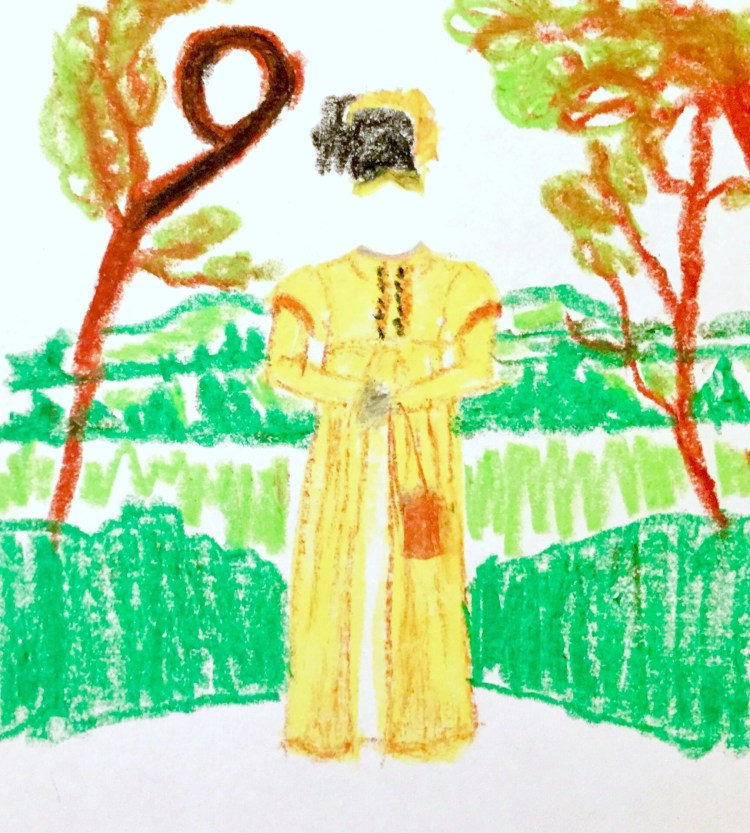
With the rhythm of a picturesque carriage ride through the country, there is always something to keep your attention in August de Wilde’s new adaptation of Austen’s comedy-satire. Perky, fresh and finely-tuned.
The comedic aspect of the story is certainly emphasised in De Wilde’s take. Although some jokes fizzle out before they can pop, there is still a continual supply of laugh-out-loud moments. Eleanor Catton’s script rumbles along at an entertaining pace and is full of heart as well as acetic Austenian wit, impressive for her debut feature.
The production and costume design is top-tier, as well. Indeed, watching the film feels like being on a two-hour tour of a world-class patisserie, or else a Regency-themed fashion shoot, which makes sense on learning that De Wilde made her directing debut on a film series for Prada. The film charts the course of a year in Emma’s life, but each scene is as crisp and vivid as a spring morning (prepare to be smothered with pastels). As well as capturing a fresh vividness and creating a raft of satisfyingly symmetrical shots, cinematographer Christopher Blauvelt makes a bold move by creating several close shots of actors looking straight to camera, which establishes much stronger intimacy for viewers with the film’s nineteenth-century characters.
The slight caricaturing of the acting and visuals brings us that much closer to the absurd reality of upper-class Regency living without subtracting from the measured and heartfelt performances. Anya Taylor-Joy is magnetic and commanding in the titular role as the entitled, young matchmaker, achieving the perfect balance between charm and superiority, much like a more amiable Scarlett O’Hara. Actresses in previous adaptations have downplayed Emma’s vanity, but Taylor-Joy bravely and quite-rightly injects a stronger hint of it into her rendition. Austen believed this particular heroine of hers to be someone ‘whom no-one but myself will much like,’ but Emma’s fallibility is her most appealing quality as a character. Of all Austen’s protagonists, she is the most modern, sharing much in common with today’s Generation X for her fiercely-independent spirit, obsession with aesthetics and keen social finesse.
Chemistry fizzles between Taylor-Joy and Johnny Flynn as Emma’s wealthy neighbour, Mr Knightley, their relationship being ‘not too much like brother and sister’ so as to inhibit a degree of flirtation from the off. Bill Nighy’s pleasure at playing Emma’s widowed, hypochondriac father is palpable as he delivers whip-smart lines with a flair of his coattails as well as scenes of tender feeling. Miranda Hart slots right in to De Wilde’s Austenian universe as the overbearing though kind-hearted Miss Bates, moving seamlessly from the flailing farcicality she is loved for to touching melodrama. Rising-star Josh O’Connor, too, is both hilarious and odious as the local young vicar, Mr Elton. Mia Goth plays Emma’s gauche friend and matchmaking pawn, Harriet, who has an obscured heritage that may or not make her the daughter of a gentleman. The excessive childishness that Goth performs with, however, makes it confusing as to why the image-conscious Emma finds sincere friendship in her company and invites the assumption that Emma is faking kindness towards her until this is disproved much later on.
The most compulsory motif of any Austen adaptation, the ballroom dance scene, is staged in an incandescent setting worthy of a million-pound wedding venue. The tangled feelings that characters have for one another are clarified through subtly-expressive movements and graceful camerawork. In addition, the table-turning line delivered by Taylor-Joy at the crux dramatic moment is acted and reacted to so perfectly that there were audible gasps from the cinema audience, bearing equal testament to the success of the preceding scenes at building emotional investment.
It’s as sumptuous a film as it is elegant, concerned with the many forms and routes that friendships can take and with what it means to be a good person. It’s joyous, thoughtful and engaging; in other words, as Austen would say, bearing all the desirable accomplishments of a period drama for today.
 DEEP FOCUS