⭐️⭐️⭐️⭐️⭐️⭐️⭐️
7/10
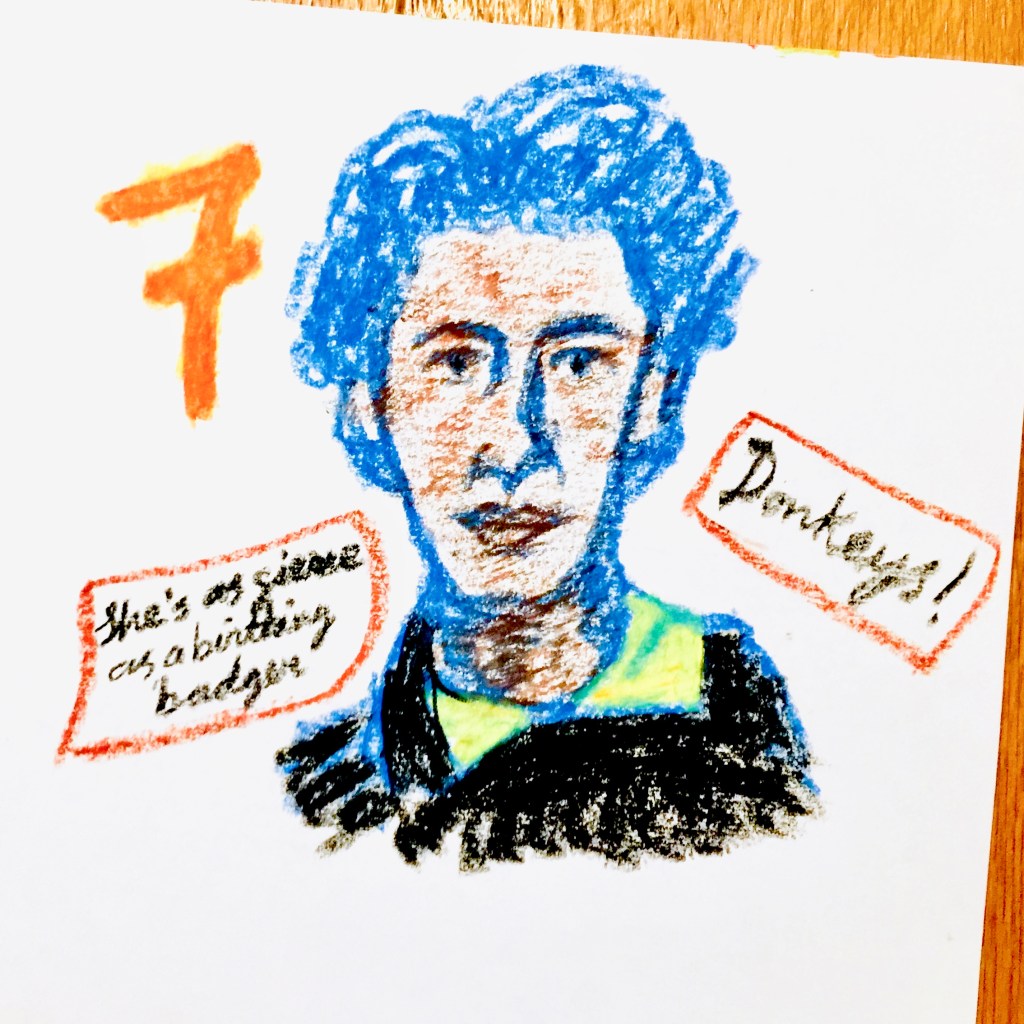
A relentlessly charming celebration of diversity, creativity and inspiration. Armando Iannucci’s wacky take on the Dickensian classic is led by a sparkling cast that brims with vim and vigour but fails to develop any meaningful character relationships.
The theatrical essence of the film is clear from its opening scene. The titular character, brilliantly played by Dev Patel, steps onto a stage to recite his life story to an attentive audience before stepping through the painted backdrop into the scene of his own birth. There are several other creative transitions throughout to make any film or art lover swoon, reminiscent of Joe Wright’s 2012 adaptation of Anna Karenina. In a similar vein, it takes liberty with its source text, conjuring up an almost entirely new though no less worthy story with all the same themes and messages. If possible, it’s deserving of being critiqued as an original rather than as an adaptation, for it has its own distinct merits that may be harder to see if cross-examined with another story, especially one as epic as David Copperfield.
As the lynchpin of this coming-of-age comedy-drama, Patel (in the seemingly-perpetual role of the aspirational underdog) shines with his usual charisma as the adolescent hero. Ranveer Jaiswal, who plays a younger David, is equally triumphant as the inquisitive boy who begins a lifelong hobby of collecting the idiosyncratic sayings of the people around him. Relishing the wit and imagination that they reveal, his collection becomes a motif that embodies the film’s overall celebration of language and creativity, as well as diversity, clearly reflected in the film’s casting.
Individually creditable performances are made across the board by veterans and newcomers alike. They each deliver the chirpy comedy peppered throughout Simon Blackwell’s hilarious script with effortless expertise, yet the relationships built between them fall mostly flat. By the time tensions reach their climax, a lack of investment becomes evident. Perhaps this is due to the inordinate cast size. Although normal in Dickens, it is highly abnormal in feature films, for good reason. Alongside this, there is no central, constant relationship developing from start to finish (the choice to double-cast Morfydd Clark as Copperfield’s mother and love interest may have been a conscious attempt to solve this). Rather, the film charts a sequence of rather disparate episodes in Copperfield’s life, populated with a shifting cast. Ben Wishaw and Aneurin Barnard give the most complex performances as the film’s main antagonists, but their mischief never quite seems to push the stakes high enough with the overall lack of emotional attachment to the hero and his troupe.
Although stunningly eccentric and constantly entertaining, it goes to prove that charm, wit, humour and spectacle are not enough to keep a film afloat, but regardless of its flaws, it is still a hugely-enjoyable film full of colour, revelry and inspiration that will blow away the last of any January cobwebs.
 DEEP FOCUS